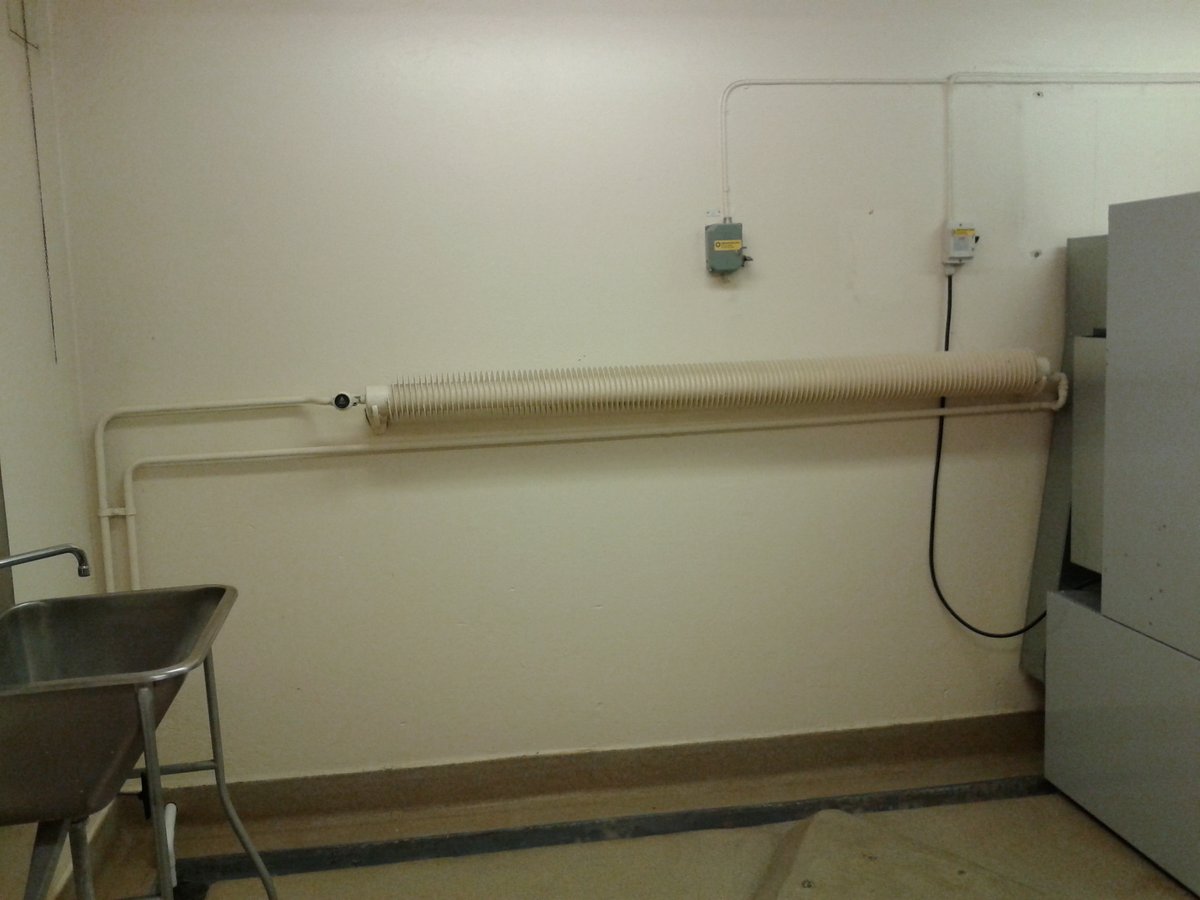
How to Prepare Your Furnace for Winter
Simple steps every homeowner should take before the cold weather hits to prevent mid-season breakdowns and keep heating bills low.
Read MoreExpert advice to help you save money, stay comfortable, and extend the life of your heating and cooling systems.
Simple steps every homeowner should take before the cold weather hits to prevent mid-season breakdowns and keep heating bills low.
Read More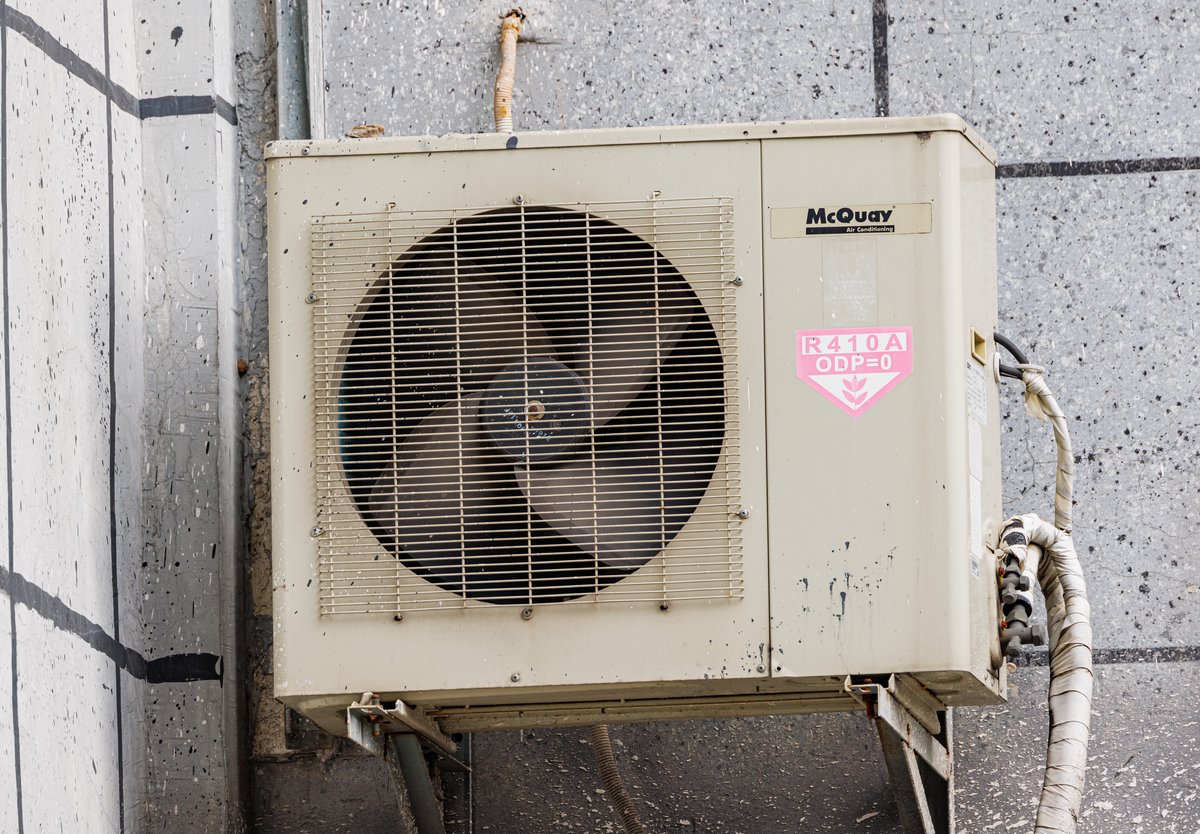
Catching AC problems early can save you from a complete system failure. Here is what to watch for before summer arrives.
Read More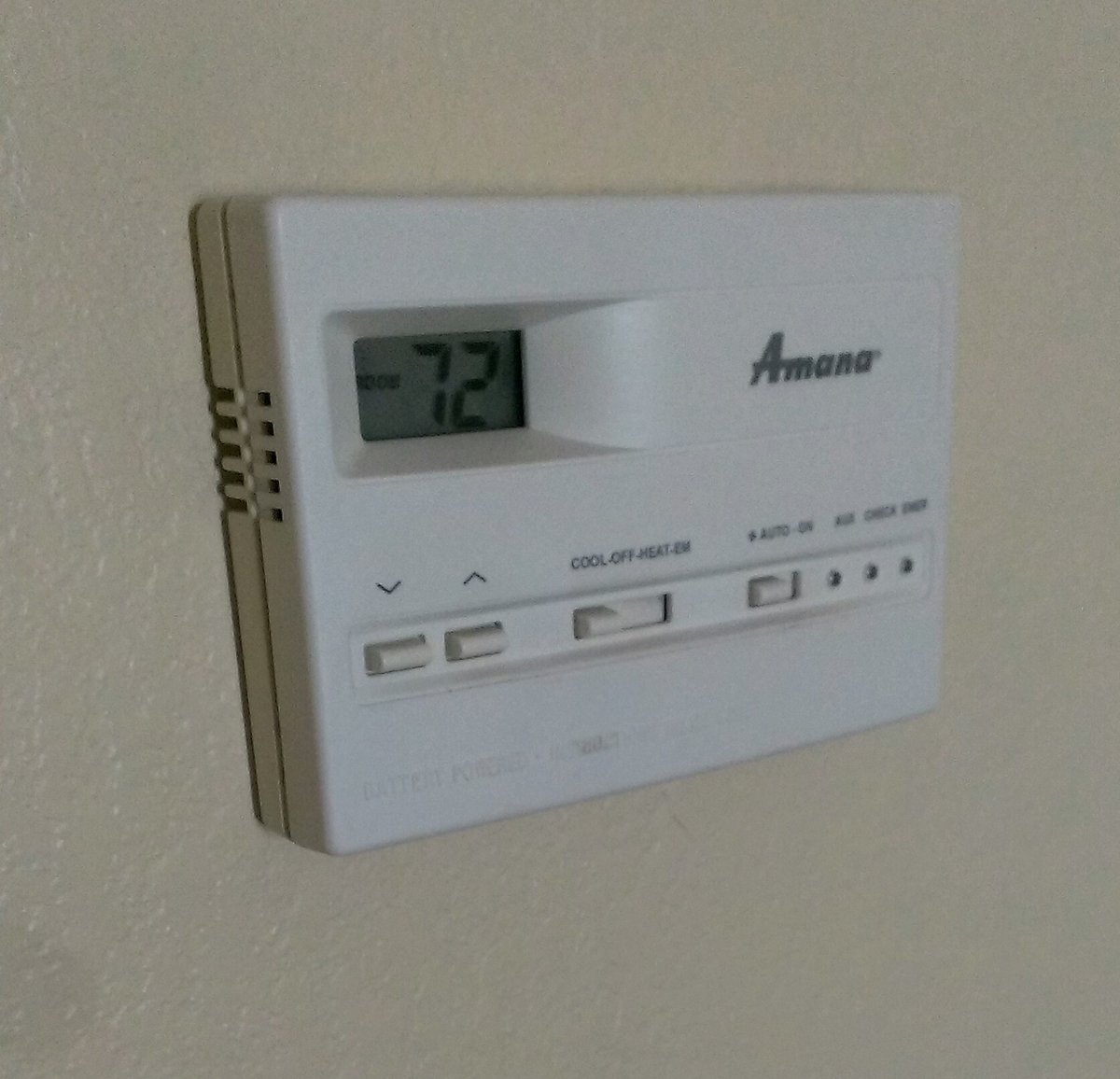
From thermostat settings to insulation improvements, these practical tips can significantly reduce your monthly utility costs.
Read More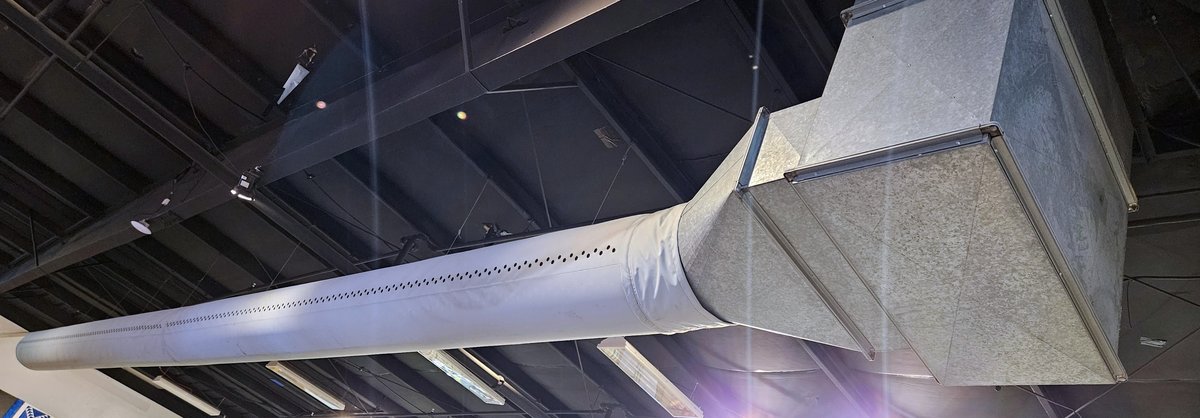
Dirty ductwork circulates dust, allergens, and contaminants throughout your home. Learn when and why to schedule a cleaning.
Read More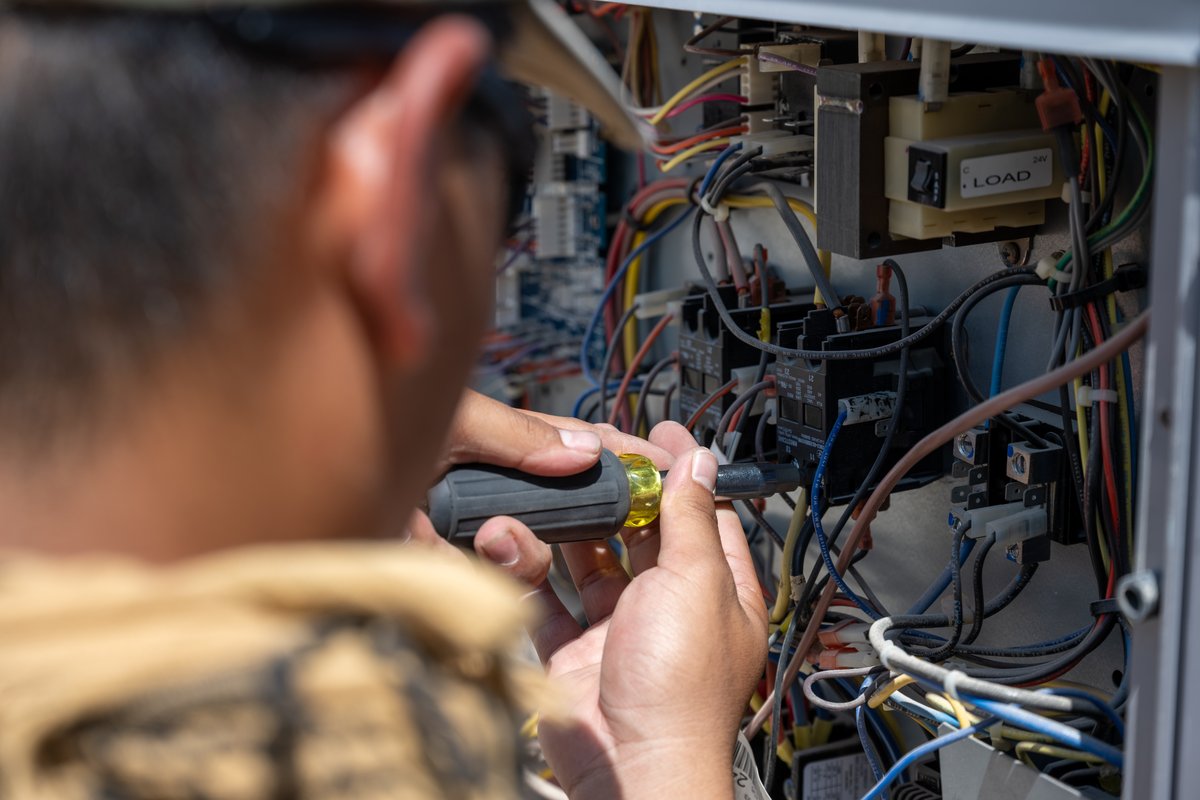
We break down the numbers to show how a maintenance plan pays for itself through energy savings and prevented repairs.
Read More
Bigger is not always better. Learn how proper sizing affects efficiency, comfort, and the lifespan of your equipment.
Read MoreQuick answers to common HVAC questions from Longmont homeowners.
For standard 1-inch filters, every 30-90 days depending on filter type and household factors. Homes with pets or allergy sufferers should change filters more frequently — every 30-45 days. Higher-quality pleated filters may last up to 90 days.
The U.S. Department of Energy recommends 68 degrees Fahrenheit while you are awake and lower while you sleep or away. Every degree you lower the thermostat can save up to 1% on your heating bill over 8 hours.
With proper maintenance, furnaces typically last 15-20 years and air conditioners 12-15 years. Heat pumps, which operate year-round, usually last 10-15 years. Regular maintenance can extend these lifespans by several years.
High energy bills often result from dirty filters, aging equipment, duct leaks, poor insulation, or thermostat settings. Schedule a system inspection and energy audit to identify the specific causes in your home.
A good rule of thumb: if the repair cost exceeds 50% of a new system and your unit is over 10 years old, replacement is usually the better investment. We provide honest assessments to help you make the right decision.
Our team is happy to help. Call us or send a message anytime.